
Early Warning Signs of Hidden Bathroom Water Damage (Before You See Stains or Swelling)
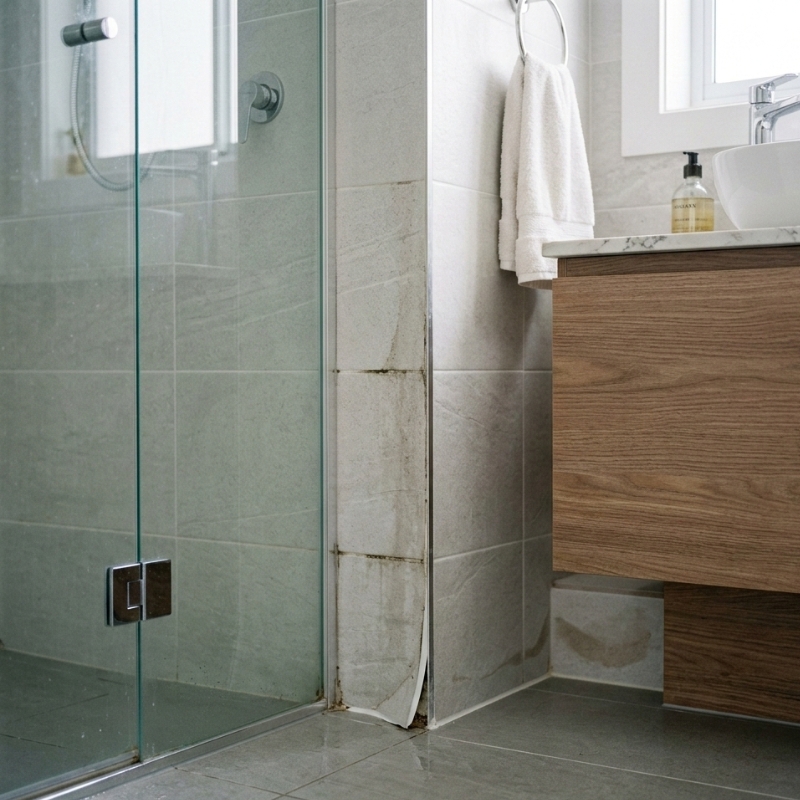
Sydney bathrooms take a daily beating: steamy showers, winter condensation, humid summer days, leaking showers, and the “quick dry” that never quite happens in homes with limited ventilation. The tricky part is that serious water damage often starts quietly. Long before you see a yellow ceiling stain or swollen skirting boards, moisture can be creeping behind tiles, into wall linings, under floors, or into cabinetry.
This guide walks through the subtle signs that often show up first, where to look (and what it can mean), plus practical, non-destructive checks you can do at home. If you’re in an apartment, it also helps you document what you’re seeing early so you can have clearer conversations with your strata manager or building manager.
Why bathroom water damage can stay “invisible” for so long
Bathrooms are built to handle splashes, not ongoing moisture where it shouldn’t be. Hidden damage tends to begin when water repeatedly gets past the surface layer (tiles, grout, silicone, fittings) and reaches areas that can’t dry properly.
Common pathways include:
• Tiny cracks in grout lines, especially in corners and along movement joints
• Silicone that has lifted, split, or pulled away from the wall/floor junction
• Gaps around penetrations (mixer, spout, shower rail, niches, taps)
• Deteriorating seals around shower screens, jambs, and floor channels
• Waterproofing membrane problems in wet areas (particularly older bathrooms)
Once moisture is behind the tile line or inside a wall cavity, it can travel and pool out of sight. That’s why the earliest clues are often about smell, texture, movement, and repeated “minor” issues rather than obvious visual damage.
The earliest warning signs (often weeks or months before stains)
A musty smell that returns quickly after cleaning
If you deep-clean and the odour comes back within days, pay attention. A persistent musty smell can mean moisture is sitting somewhere it can’t dry, feeding mould growth you can’t see.
Where to sniff-check:
• Inside the vanity cabinet (especially along the kickboard/base)
• Around the toilet base (not always a toilet issue—moisture can migrate)
• Along the bathroom doorway and adjacent skirting boards
• Near the shower screen jamb and the bottom corners of the shower
If the smell is strongest when the bathroom has been closed up overnight, that’s another clue there’s trapped dampness rather than just surface grime.
“Recurring mould” in the same line or corner
Surface mould can be a ventilation issue, but mould that reappears in the exact same seam or corner—particularly at the shower wall/floor junction—often points to moisture getting behind the silicone or grout.
Patterns that matter:
• A thin black line that returns along the same silicone bead
• Mould that appears in one lower corner only (not evenly across the bathroom)
• Mould that comes back despite using mould killer and drying properly
Hollow-sounding tiles (or a subtle change in how tiles feel underfoot)
Tap tiles gently with your knuckle or the handle of a screwdriver (don’t hit hard). A clear, sharp “tick” can sound different from a dull, hollow note. Hollow doesn’t automatically mean “water damage,” but in bathrooms it can be an early sign that adhesive has degraded or the substrate has been affected.
Extra clue: if the hollow area is near the shower base, around the screen, or in a niche, it’s worth taking seriously.
Hairline grout cracks that keep reappearing
A single hairline crack isn’t always an emergency. But if you repair it and it comes back, or if cracks appear in a repeating pattern, that can indicate movement, moisture intrusion, or both.
Watch these zones:
• The vertical corners of the shower
• Where wall tiles meet floor tiles
• Around the mixer and spout penetrations
• Along the bottom row of wall tiles
Silicone that looks “fine” but is lifting at the edges
Silicone can split microscopically where it bonds to tile. It may still look intact from a standing position but can be lifting at one edge—exactly where water gets in.
Try this safe check:
• Run a dry finger along the silicone edge (don’t peel it).
• If you feel sections that are detached, soft, or crumbly, that’s a red flag.
Paint or plaster that feels slightly “different” before it stains
Early moisture changes can show up as:
• A faint, uneven texture (like tiny bubbles)
• Paint that looks slightly duller in one patch
• Cornice edges that feel soft if pressed very gently (don’t poke—just a light touch)
In apartments, pay attention to walls that back onto another unit’s bathroom too.
Where hidden damage shows up first (a practical “symptom map”)
Around the vanity base and kickboard
The vanity is often the first place you’ll see subtle swelling because particleboard and MDF don’t like moisture.
Early signs:
• A faint ripple or softening at the bottom edge
• Doors that start to rub slightly
• A “puffy” kickboard corner
• Musty smell inside the cabinet even when the room seems dry
Doorway skirtings and flooring just outside the bathroom
Moisture can migrate under tiles and show up at the path of least resistance, sometimes outside the bathroom.
Early signs:
• Skirting boards that feel slightly spongy
• Hybrid/laminate flooring lifting or changing texture near the bathroom entry
• A persistent cool/damp feel underfoot in one small patch
The shower screen jamb and corners
These are high-stress, high-splash zones. If water is escaping behind the screen channel or along the jamb, you may not see it on the surface.
Early signs:
• Persistent dampness at the base of the jamb
• Grout darkening that doesn’t lighten after the room dries
• Mould returning in the same two corners
Niches, shelves, and any “feature” details
Niches and shelves add joins and corners—common weak points if waterproofing and sealing weren’t done perfectly.
Early signs:
• Grout discolouration that stays dark
• Hairline cracking along the niche corners
• A musty smell that’s strongest near the niche area
Quick home checks you can do without damaging anything
10-minute check: the “dry towel test”
After a shower, dry the shower floor and junctions thoroughly with a towel. Come back in 30–60 minutes.
If you notice:
• Water reappearing where you dried it
• Persistent dampness in a specific corner
• A damp line along the outside of the shower screen base
…it’s a clue water is escaping or wicking from somewhere.
Check for “dark grout that never dries”
Grout can darken when wet and lighten as it dries. If one section stays darker most of the day, that suggests ongoing moisture.
Tip: do this check on a day you haven’t used the shower since morning, and note what still looks damp by mid-afternoon.
Listen and feel for movement (gently)
Without forcing anything:
• Step lightly on suspect floor tiles (especially near the shower).
• Note any subtle rocking, creaking, or flex.
Movement doesn’t confirm water damage, but combined with musty odour or recurring mould, it increases suspicion.
Track humidity and ventilation habits
Sydney homes vary a lot—some bathrooms have strong exhaust fans, others have a small fan and no window.
Simple improvements that help you rule out “just humidity”:
• Run the exhaust fan during showers and for at least 15–20 minutes after
• Open the door (if safe/privacy allows) once steam has cleared a little
• Keep wet towels out of the bathroom if it’s a small space
• Wipe down glass and ledges to reduce lingering moisture
If symptoms persist despite good ventilation, you’re more likely dealing with water getting where it shouldn’t.
Q&A: Can you have hidden water damage without any visible stains?
Yes. Stains and swelling are usually later-stage signs. Early-stage hidden water damage is often detected through persistent odours, recurring mould in the same seam, grout that stays dark, silicone lifting at the edges, and subtle tile movement or hollow sounds. The earlier you identify a likely source, the easier it is to limit the spread of moisture into cabinetry, wall linings, or flooring.
What to avoid (common “fixes” that hide the problem)
When you suspect hidden moisture, some DIY approaches can make diagnosis harder or trap moisture where it can do more damage.
Avoid:
• Re-siliconing over damp or mouldy joints without addressing the cause
• Re-grouting over cracks caused by movement (it often cracks again)
• Painting over a slightly “off” patch of wall/ceiling
• Ignoring recurring mould because it “wipes off”
• Using the shower as normal while “watching it” for weeks if signs are stacking up
If you’re seeing multiple early signs, it’s worth learning the most common failure points so you can make better decisions about next steps. A helpful starting point is this overview of signs your shower needs attention.
When it’s time to escalate beyond home checks
Some situations warrant faster action because they can lead to rapid deterioration of materials or spread into adjacent rooms.
Escalate sooner if you notice:
• A soft or springy bathroom floor (especially near the shower)
• Loose tiles or a widening crack line
• Musty smell that persists even with improved ventilation and cleaning
• Mould returning in the same place despite treatment
• Water showing up outside the shower area or in an adjoining room/closet
• Any signs of electrical risk (e.g., damp near light switches—treat as urgent)
For waterproofing work specifically, NSW has clear expectations around licensed work and what counts as waterproofing work—see NSW Government guidance on waterproofing work.
Sydney-specific scenarios worth knowing (houses, units, and older bathrooms)
Apartments and strata: document early, communicate clearly
In units, moisture can travel into common walls or ceilings below. If you suspect hidden bathroom water damage:
• Take dated photos of recurring mould lines, grout cracks, and any damp patches
• Note when the smell is strongest and whether it correlates with shower use
• Record whether water appears outside the shower zone
• Share a short summary with strata early if you believe it could affect another lot
Even if the issue ends up being isolated, early documentation reduces confusion later.
Older Sydney bathrooms: materials and membranes age out
If your bathroom hasn’t been renovated in many years, it’s more likely to have:
• Brittle grout and aging silicone
• Older waterproofing approaches that may not meet modern expectations
• Repeated patch repairs that didn’t address root causes
That doesn’t mean “rip everything out.” It does mean you should treat early warning signs as meaningful rather than cosmetic.
Q&A: Is cracking grout always a sign of a leak?
Not always. Grout can crack due to building movement, poor installation, or natural wear. The concern rises when cracking repeats in the same places, appears alongside persistent dampness or musty odour, or occurs in high-splash zones like corners and the shower base. In those cases, cracking grout can be a pathway for water intrusion rather than just a cosmetic issue.
Practical next steps if you suspect hidden bathroom water damage
Step 1: Reduce moisture load for a week
For 7 days:
• Ventilate consistently (fan during + 15–20 minutes after)
• Squeegee or towel-dry shower glass and ledges
• Keep the shower area as dry as possible between uses
If the musty smell and recurring mould persist, it supports the idea of trapped moisture rather than surface humidity alone.
Step 2: Identify the most likely entry point
Common culprits to inspect visually:
• Shower corners and wall/floor junction
• Around the mixer and spout penetrations
• Bottom edge of the shower screen jamb/channel
• Grout lines along the bottom row of wall tiles
• Niches and shelves (corners, lower joints)
Step 3: Don’t “patch and hope” if multiple signs stack up
If you have two or more of the following—musty smell, recurring mould in the same seam, dark grout that won’t dry, hollow/loose tiles, damp outside the shower—it’s time to move from guesswork to a proper plan.
Understanding shower waterproofing and sealing options can help you interpret what you’re seeing and why surface fixes sometimes don’t last.
Step 4: If you need help, focus on diagnosis first
When hidden moisture is suspected, the smartest first move is usually confirming what’s happening and where, rather than doing cosmetic repairs that may mask symptoms.
If you’re at the point where you want help with fixing leaking shower, gather:
• Photos of the exact areas where mould or cracks return
• Notes on when smells are strongest
• Any evidence of water outside the shower zone
• Whether you’re in a house, townhouse, or apartment (and if there’s a unit below)
This makes it easier to pinpoint likely pathways and reduce unnecessary work.
FAQs
What’s the earliest sign of hidden bathroom water damage?
Often it’s a persistent musty smell or mould that keeps returning in the exact same seam, even after cleaning and good ventilation. Grout that stays dark and silicone lifting at the edges are also early clues.
Why do some shower tiles sound hollow?
Hollow-sounding tiles can indicate the adhesive bond is compromised or the substrate has changed. It doesn’t always mean water damage, but in wet areas it’s a sign to look for other clues like recurring mould, damp grout, or movement.
Can water damage spread outside the bathroom?
Yes. Moisture can migrate under tiles or through wall cavities and show up at doorway skirtings, adjacent flooring, or even in nearby rooms—sometimes before you see obvious bathroom stains.
How can I tell if it’s just humidity?
Improve ventilation and reduce moisture load for a week (fan during/after showers, wipe down wet surfaces). If musty odours and recurring mould persist in the same areas, humidity alone is less likely to be the full explanation.
When should I treat it as urgent?
If the floor feels soft, tiles are loose, water is appearing outside the shower area, mould is rapidly worsening, or dampness is near electrical points, escalate quickly.