
Water Leak Detection in Eastwood

For properties in Eastwood, if you suspect a leak from a shower, bathroom, balcony edge or a mystery damp patch, we can attend on-site to investigate what’s going on and advise the right next step based on your property and access conditions.

Yes—Fix Leaking Showers attends properties in Eastwood 2122 across Sydney. We’ll confirm access and site contact details on arrival, then use the appropriate inspection methods, including visual checks and tools if needed, to identify the likely leak source. Parking access, keys, pets and strata approvals may influence how much we can complete in one visit.

  • When to call: persistent moisture smells, bubbling paint surfaces, swollen skirting boards, water stains on ceilings below wet areas, unusual water use, or recurring dampness in the shower or bathroom.
  • What we’ll do on-site: identify the key symptoms, inspect likely leak pathways, take focused readings, and document site observations to guide what happens next.
  • What affects time/cost: access, whether the leak is on and off, tile and fixture accessibility, strata approval steps, and whether isolation testing can be done on the day.
Drag & Drop Files, Choose Files to Upload

Coverage for Eastwood

We schedule jobs in Eastwood as part of our Sydney run and can work with owner-occupiers, tenants, property managers, and building managers. For smoother booking, it helps to share photos or a short video of the affected area (and any ceiling stains below), plus any “only happens after showering/rain” notes.

Access and Site Logistics Checklist

Sending these details through before we arrive can help avoid delays and reduce repeat visits:

Parking/loading access: let us know if parking permits, timed bays or driveway limitations are in place, and where the closest practical unloading area is.

Building access: provide any relevant gate codes, intercom details, lift rules, and reception sign-in instructions.

Keys and site contact: confirm who our on-site contact will be, who can approve work-related decisions on the day, and whether keys need to be collected or returned.

Pets: secure pets and advise if there are indoor animals sensitive to noise.

Wet-area readiness: have the shower base, vanity and floor edges clear so we can inspect all junctions and fittings without needing to move any personal items.

Strata/body corporate: if relevant, please advise whether a work order, induction or designated building contact is required for site access.

Common Work Scenarios in Eastwood

These are the usual ways leak detection jobs tend to play out locally, with no addresses included and only common patterns shown:

  • Apartment bathroom with ceiling staining below that comes and goes: we’ll align access with the occupant above and below, check waterproofing junctions, and document the outcome for strata records.
  • House shower with persistent damp odour and swollen trim: we’ll inspect likely leak pathways around the shower screen, penetrations and grout joints, then advise whether follow-up testing or targeted repair work is required.
  • Retail or light commercial tenancy with rain-related water marks: we’ll check for likely entry points around wet-area thresholds and adjoining walls, and note any after-hours access needs and required site safety measures.
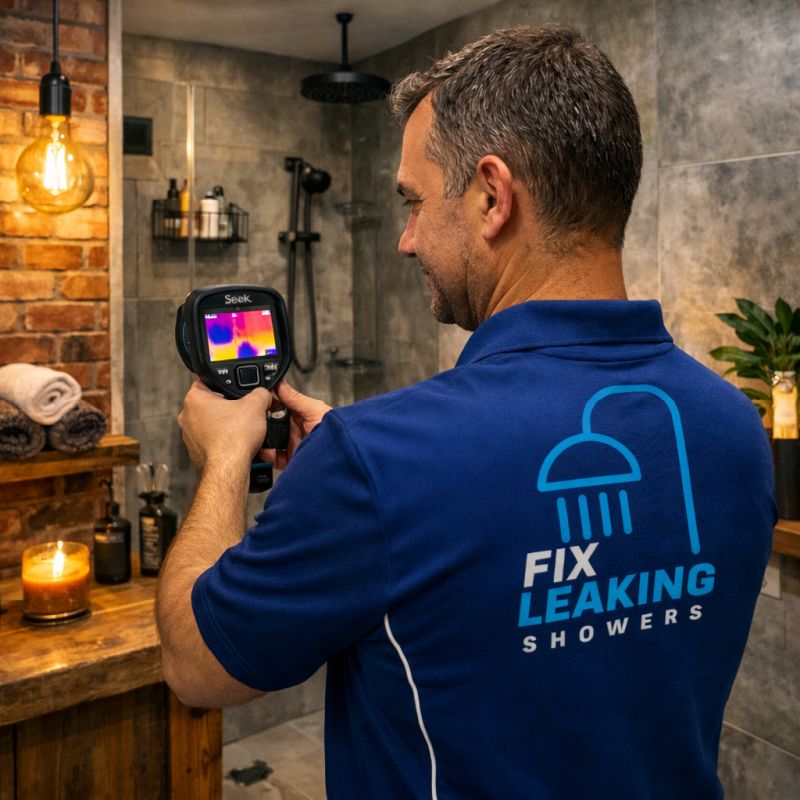
checking for a water leak by a leak detection expert in Eastwood

Service Coverage & Logistics — Eastwood 2122

Working in Eastwood often depends on practical site conditions rather than distance. The main factors are:

  • Working across Eastwood often depends more on the conditions at the property than the distance involved. The main factors are:
  • Noise and trade rules: some buildings restrict drilling/noisy work at certain times, which can change what’s feasible on the first attendance.
  • Follow-up needs: intermittent leaks, especially those linked to use or rain, can sometimes require staged inspections or a return visit when conditions are able to be replicated.
  • Documentation: strata and commercial sites often need clear notes and photos for approvals, which we can capture during the visit where access allows.

The Property Types We Commonly See Here

Throughout Sydney and its surrounds, we regularly attend:

  • Houses: access for standard checks is usually more straightforward, though leaks can move along the framing and show up in a different area.
  • Units/apartments: access coordination tends to be the main issue, especially when symptoms show up in the ceiling below a wet area.
  • Retail/light commercial: the inspection may be shaped by site inductions, after-hours access needs, and the need to keep walkways clear.

What to Provide Before We Attend

If possible, share the following:

  • A few photos of the affected area, including any ceiling stains below the bathroom or shower.
  • Notes on when it happens (after showering, after rain, constant, only some days).
  • Any prior repair attempts (regrout, reseal, screen replacement) and whether symptoms changed.
  • For strata or commercial properties: let us know who to contact on arrival, and any site induction or permit requirements.

Site Access, Safety & Compliance

We follow site controls appropriate to the environment by keeping access routes clear, managing slip risks in wet areas, and complying with building procedures such as sign-in and any required PPE. Where water isolation or access to a services area is needed, we’ll confirm permissions before continuing.

Operational Support FAQs

Ideally, yes, unless a nominated key-holder or site contact is available to provide access and explain when the issue occurs.

Yes, but access to the necessary areas may need to be organised with the affected lots and strata or building management.

If the leak only happens occasionally, it can take longer to isolate. Sharing the timing pattern helps, and sometimes a follow-up visit is required when the same conditions can be reproduced.

Having both helps. Some tools and checks rely on power, and we may need controlled water use to confirm symptoms where permitted.

Not in every case. We’ll start with non-invasive inspection methods and only consider more invasive steps if the site conditions and approvals allow it.

Clear the wet-area edges, secure any pets, and have access details such as parking, intercom and keys ready to help avoid delays.

Call Now