

Is a Leaking Shower Covered by Insurance in Australia?
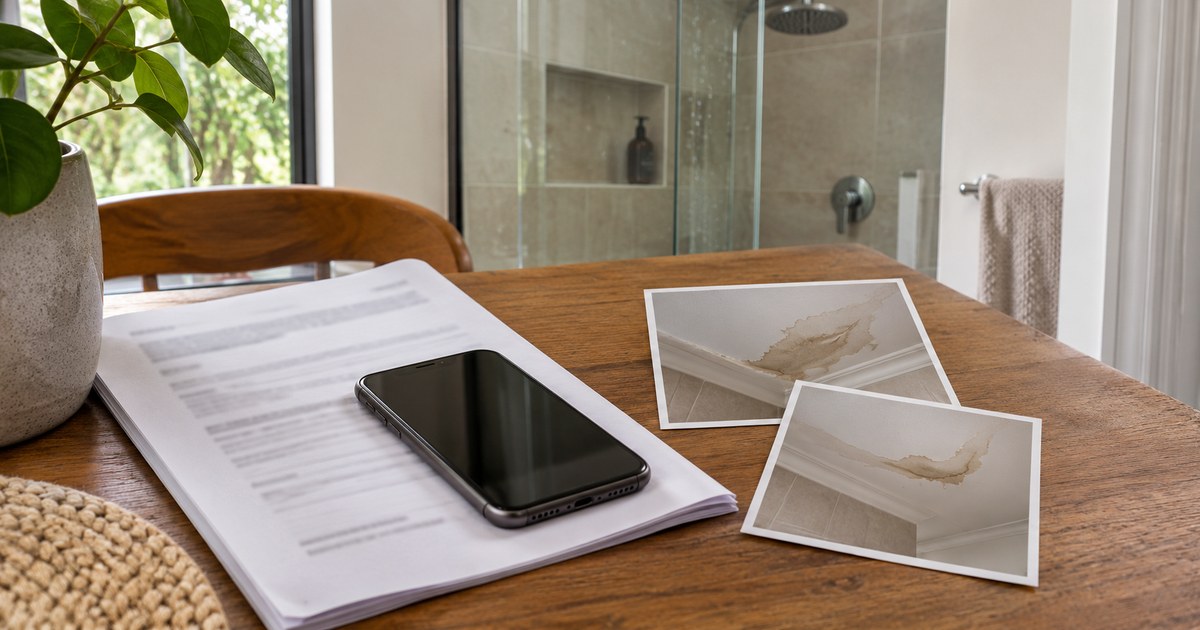
Is a leaking shower covered by insurance? Usually only in part. Home insurance in Australia generally covers damage caused by a sudden, accidental escape of water. It generally does not cover a leak that developed slowly through worn silicone, grout or waterproofing, and it does not pay to repair the shower itself. Policies differ, so your Product Disclosure Statement has the final word.
- Insurers draw a line between sudden damage and gradual damage. Most leaking showers fall on the gradual side.
- Where a claim is accepted, it normally pays for the damage the water caused, not for fixing the shower.
- Report it early, document it, and get the cause identified in writing. This guide is general information, not insurance advice.
Sudden damage versus gradual leaks
Most home policies include cover for what they call escape of liquid: water that bursts, leaks or overflows from a pipe, fixture or appliance. The cover is usually written around an event that is sudden or accidental. Damage that builds up over months through wear, deterioration or lack of maintenance is commonly listed as an exclusion.
| Situation | Usual position | Why |
|---|---|---|
| A pipe or fitting bursts and floods the bathroom | Often covered | A sudden, accidental escape of water |
| Ceiling, wall or floor damage caused by that burst | Often covered | Resulting damage from an insured event |
| A slow leak through perished silicone or cracked grout | Usually not covered | Treated as wear and tear or maintenance |
| A waterproofing membrane that has failed with age | Usually not covered | Gradual deterioration |
| A hidden leak you could not reasonably have known about | Sometimes covered | Some policies cover hidden gradual leaks; many do not |
| The cost of resealing, regrouting or re-waterproofing the shower | Usually not covered | Insurers pay for resulting damage, not for repairing the source |
| Mould that has grown because of long-term damp | Usually not covered | A consequence of gradual damage |
General information only. Cover varies between insurers and policies: check your own Product Disclosure Statement.
Why many claims are declined
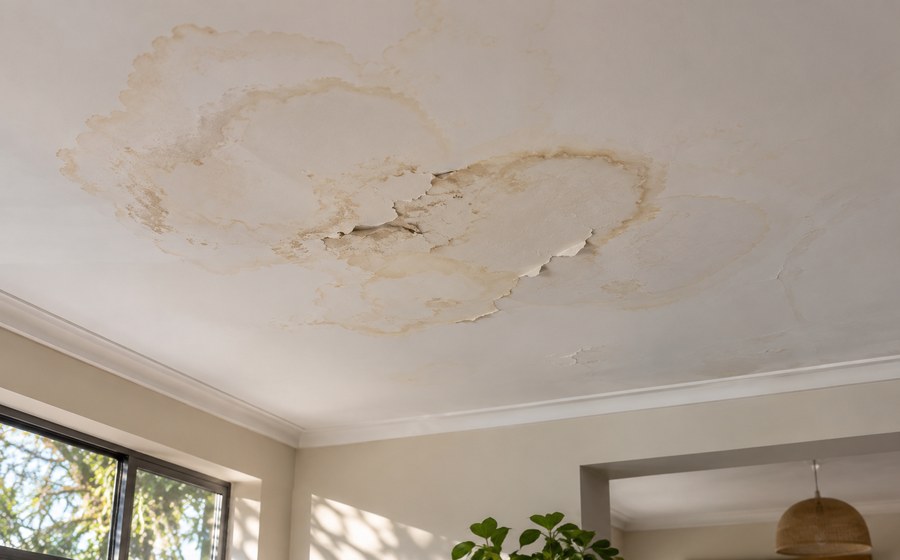
A leaking shower claim is most often declined because the insurer decides the damage happened gradually. An assessor looks at the staining, the state of the silicone and grout, rot or mould, and concludes the water has been escaping for a long time. That puts the claim under the wear and tear or maintenance exclusion.
The second reason is what was claimed. Even when the damage is accepted, the policy normally pays to repair what the water damaged. It does not pay to fix the thing that leaked. A third reason is delay: policies expect you to act once you know there is a problem, and a leak that was noticed and left gives the insurer grounds to say the loss could have been limited.
When it may be covered
- A sudden failure. A fitting, hose or pipe that lets go and releases a lot of water in a short time.
- Resulting damage. Ceilings, walls, flooring and sometimes contents damaged by that water.
- A hidden leak, on some policies. Certain policies cover a leak that was concealed and that you could not reasonably have been aware of.
- Finding the leak, on some policies. Some insurers contribute to the cost of locating the source when it has caused insured damage.
Whether any of these applies to you depends on the wording of your policy. If the Product Disclosure Statement is unclear, ask the insurer the question in writing before you claim.
When to call your insurer and when to call a repairer
Call both, in the right order for your situation.
- Water is pouring or the damage is sudden: stop the water, make the area safe, then call the insurer straight away. Most insurers want to be told before repairs begin, apart from emergency work to stop further damage.
- The leak has been slow: have it inspected first. You need to know the cause before you can describe it to an insurer, and the leak should be stopped either way.
- You are not sure: get the cause identified in writing. It answers the first question any assessor will ask.
The repair itself is trade work. Finding which part of the shower has failed and fixing it is what our shower leak repair service does, and the inspection gives you the cause in plain terms. In NSW, anyone you pay to do waterproofing worth more than $5,000 in labour and materials must hold a contractor licence.
What to document before you claim
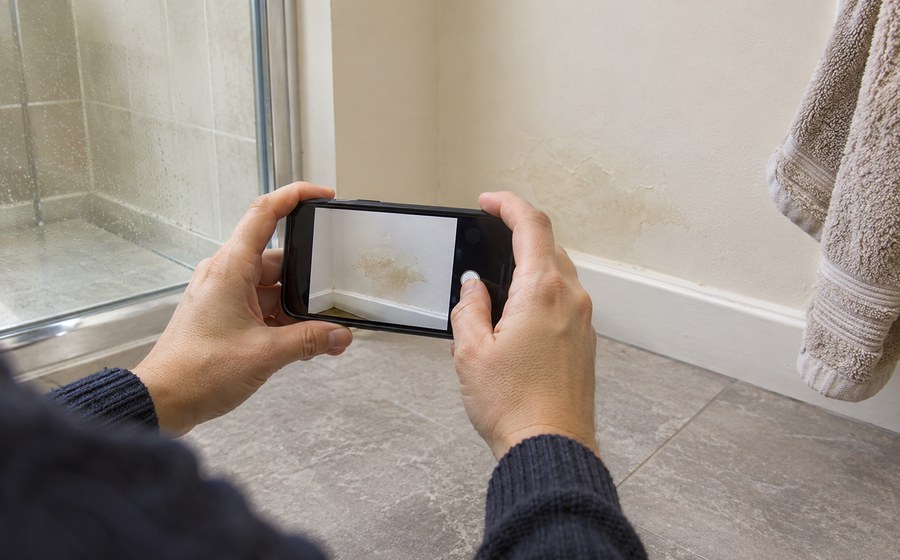
- Dated photos and video of every damaged surface, before anything is cleaned up or repaired.
- When you first noticed it and what you did about it. Write this down while you remember.
- The cause, in writing, from whoever inspected the shower.
- Quotes and invoices for emergency work, the repair and the making good.
- Maintenance records: earlier reseals, regrouts or certificates show the bathroom was looked after.
- Damaged items. Keep them, or photograph them, until the insurer says they can go.
What to do
Stop using the shower. Make the area safe, especially if water is near electrical fittings. Photograph everything. Have the cause identified, then contact your insurer with the facts. Whatever the insurer decides, the leak still has to be repaired, and the sooner that is done the less there is to argue about. Our guide to repair costs explains what moves the price.
If the property is an apartment or a rental, the first question is whose repair it is. That is covered in who pays in strata or rentals. If a claim is declined and you disagree, ask the insurer for its reasons and its internal review. After that, a complaint can be taken to the Australian Financial Complaints Authority.
Preventing the leak insurers will not pay for
The damage insurers exclude is the damage maintenance prevents. Keeping the shower sealed is cheaper than any excess.
- Replace silicone when it peels, cracks or grows mould underneath.
- Have open or crumbling grout renewed before water gets behind it.
- Look at the rooms beside and below the bathroom a few times a year.
- Act on the first stain. A leak you knew about and left is the hardest kind to claim for.
- Keep invoices, guarantees and waterproofing certificates together where you can find them.
Frequently asked questions
Is a leaking shower covered by home insurance?
Sometimes, and usually only in part. Policies generally cover damage from a sudden, accidental escape of water. A slow leak from worn silicone, grout or waterproofing is usually treated as wear and tear and excluded.
Does building insurance cover water damage from a shower?
It can cover damage to the building caused by a sudden escape of water, such as a burst fitting. It generally does not cover damage that built up gradually, and it does not normally pay to repair the shower that leaked.
Why was my leaking shower claim declined?
Most often because the insurer judged the damage to be gradual, which falls under the wear and tear or maintenance exclusion. Claims are also declined when the cost claimed is for fixing the source, or when a known leak was left.
How do I claim for water damage on home insurance?
Stop the water and make the area safe, photograph the damage, note when you first saw it, and contact your insurer before starting repairs other than emergency work. Have the cause confirmed in writing and keep every quote and invoice.
Does insurance cover re-waterproofing the shower?
Generally not. Re-waterproofing repairs the source of the leak, and insurers normally pay for resulting damage, not for the repair of the item that failed. Check your policy wording.
Does strata insurance cover a leaking shower?
Strata building insurance is compulsory in NSW and covers reinstating the building after insured damage. Like home insurance, it is aimed at sudden damage, not wear, and it does not cover an owner’s contents. The strata manager can tell you how your scheme’s policy applies.
Got a leaking shower?
Book an inspection and a fixed-price quote. We come to you, anywhere in Sydney.
Get my quote