

Who Pays for a Leaking Shower? Strata, Landlord & Tenant in NSW
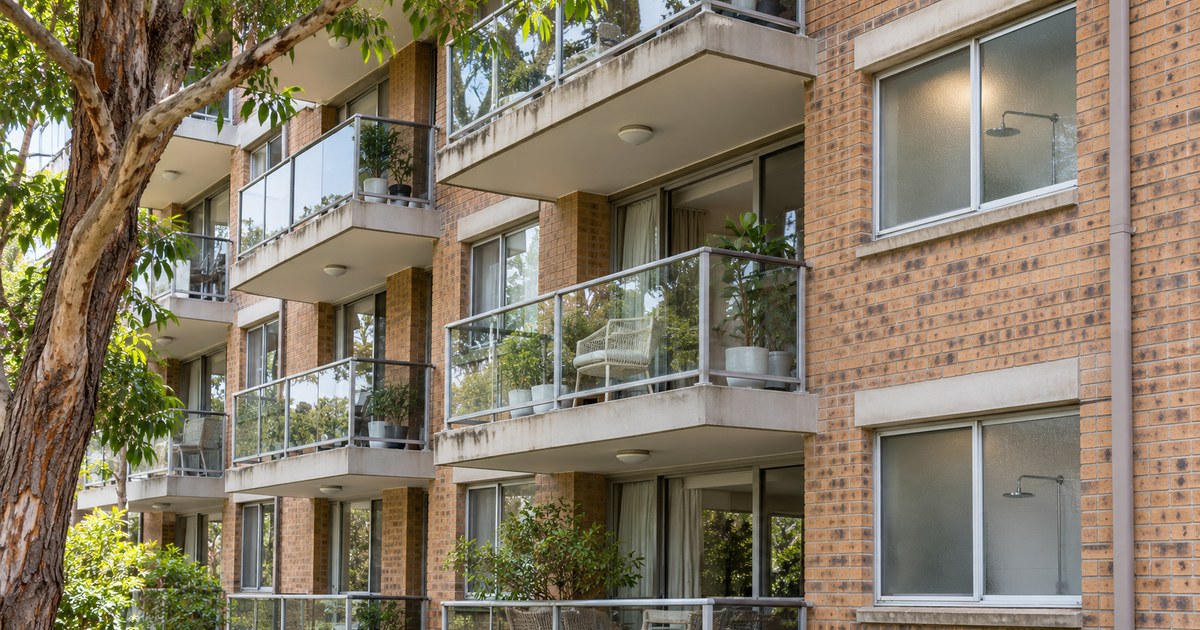
Who pays for a leaking shower in NSW depends on where the fault is and who is responsible for that part of the building. In a strata scheme, an owner usually pays for a leak that starts inside their lot, and the owners corporation pays where common property is at fault. In a rental, the landlord is responsible for repairs and the tenant must report the leak promptly.
- Strata: the strata plan and by-laws decide what is common property. Start there, not with who noticed the leak.
- Rentals: the landlord repairs, the tenant reports. A tenant pays only for damage they caused.
- Nobody can settle who pays until the source of the leak is known. This guide is general information for NSW, not legal advice.
Strata (owners corporation vs lot owner)
In a NSW strata scheme the owners corporation must repair and maintain common property, and each owner must repair and maintain what is inside their own lot. The NSW Government’s guidance sets out who is usually responsible for what.
- Usually the owner: internal walls, plumbing in internal walls, fixtures such as showers, baths, basins and toilets, and water damage that starts inside the lot.
- Usually the owners corporation: the roof, ceilings, boundary walls, the concrete floor slab, balconies, plumbing in boundary walls and under the floor, and water damage that comes from common property.
That list is a starting point. The same guidance says the strata plan and by-laws decide the question for each scheme, and that a scheme without a clear definition can adopt the common property memorandum by special resolution.
Common property or lot property: where the line sits
A shower sits right on the line. The tiles, the screen and the tapware are normally the owner’s. The slab under them and the pipes in the slab are normally common property. The waterproofing membrane lies between the two, and the NSW Government guidance does not name it. Whether it belongs to the owner or the owners corporation depends on the strata plan, the by-laws and the history of the bathroom: a membrane laid in an owner’s renovation is often treated differently from one laid when the building was built.
| Situation | Usually responsible | Notes |
|---|---|---|
| Failed silicone or grout in a shower inside a lot | The lot owner | A fixture inside the lot |
| Leaking tap or pipe in an internal wall | The lot owner | Plumbing in internal walls |
| Leaking pipe in a boundary wall or under the floor | The owners corporation | Listed as common property in NSW Government guidance |
| Failed membrane under the shower | Depends on the scheme | Check the strata plan, by-laws and any renovation approvals |
| Damage to the unit below from a leak inside your lot | The lot owner whose lot it came from | Water damage from inside a lot |
| Damage from a leaking roof, slab or balcony | The owners corporation | Water damage from common property |
| A shower in a rented home that leaks through wear | The landlord | Duty to keep the property in reasonable repair |
| Damage a tenant caused or allowed | The tenant | Tenants pay for damage they cause |
Based on NSW Government guidance. A guide only: your strata plan, by-laws and lease decide the outcome.
Rentals (landlord vs tenant)
Under NSW tenancy rules the landlord must provide the property, and keep it, in reasonable repair. A shower that leaks because its seals, grout or waterproofing have worn out is generally a repair for the landlord. The tenant’s duties are to tell the landlord or agent about damage or disrepair as soon as possible, not to cause or allow damage, and to pay for damage they did cause.
A tenant should not arrange a non-urgent repair without the landlord’s written consent. Urgent repairs are a defined list in NSW, which includes a burst water service, flooding or serious flood damage, and a fixture that uses water being broken so that a substantial amount of water is wasted. For those, the tenant must notify the landlord or agent straight away.
Before you pay anyone: getting a professional leak report
Arguments about who pays are usually arguments about where the water is coming from. Until that is established, an owner, a neighbour and a strata committee can each believe it is someone else’s problem. An inspection that tests the shower and identifies which part has failed gives everyone the same facts.
Ask for the findings in writing: which fixture, which part of it, and what the repair is. Our leaking shower repairs begin with that inspection, and the fixed-price quote sets out the cause and the scope in writing, so it can be passed to a strata manager, agent or insurer. Opening walls or lifting tiles to investigate is not something an owner or tenant should attempt. In NSW, anyone you pay to do waterproofing worth more than $5,000 in labour and materials must hold a contractor licence.
What to do first as an owner, tenant or strata manager
If you own the unit
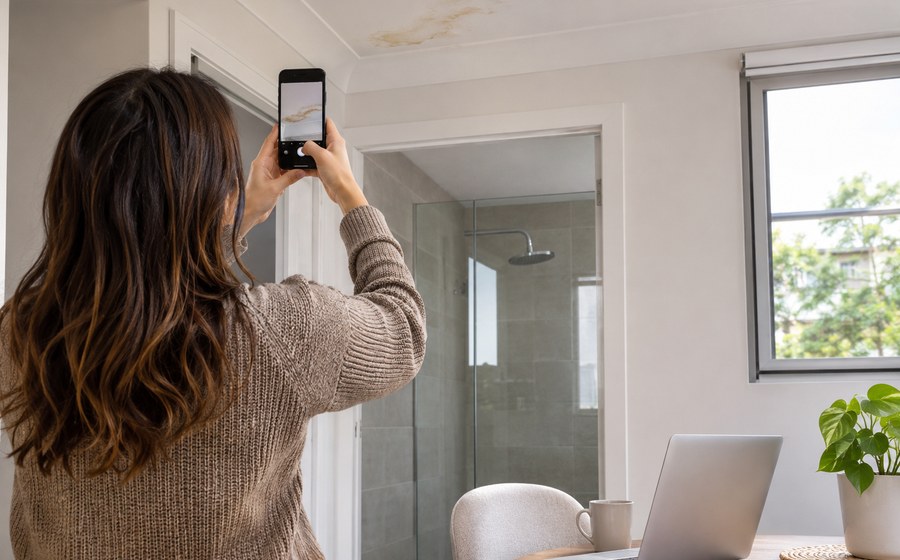
- Stop using the shower and photograph the damage.
- Tell the strata manager in writing, even if you think the fault is inside your lot.
- Have the source identified before agreeing to pay for anything.
- Check the strata plan and by-laws for bathrooms and waterproofing.
If you rent
- Report the leak to the landlord or agent in writing straight away, with photos.
- Keep a copy of the report and the date.
- Do not arrange repairs yourself unless it is an urgent repair and you have followed the urgent repair steps.
If you manage the building
- Record the report and inspect the affected lots.
- Arrange for the source to be identified by someone independent of the dispute.
- Apply the strata plan and by-laws to the finding, then tell both owners the outcome in writing.
Getting it resolved
Knowing the source usually settles the question. If the owners corporation is responsible and does not act, an owner can raise it with the strata committee, put a motion to a general meeting, and apply to NSW Fair Trading for mediation. If mediation fails, the dispute can go to the NSW Civil and Administrative Tribunal. Tenants who cannot get a repair done can contact NSW Fair Trading for help and can also apply to the Tribunal.
Insurance is a separate question from responsibility. Whether a policy responds depends on how the damage happened: see is it covered by insurance? To have the source confirmed, arrange an inspection.
Stopping a small leak becoming a dispute
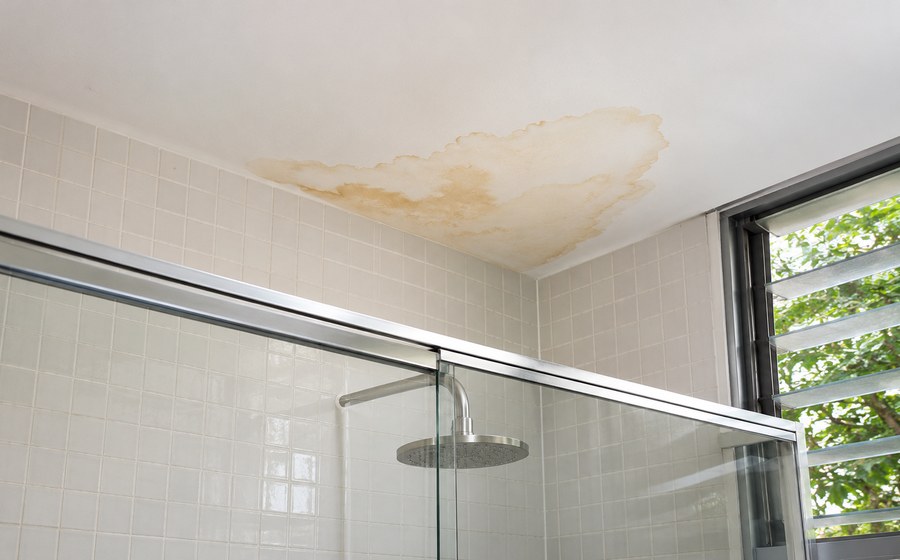
- Report in writing on the day you notice it, whoever you think is responsible.
- Keep photos with dates, and keep them in one place.
- Get the cause in writing before anyone starts work.
- Do not carry out work on common property without the approval of the owners corporation.
- Keep bathroom renovation approvals and waterproofing certificates. They are the first documents a committee will ask for.
- Fix the leak while responsibility is being sorted out, if all parties agree. Water does not wait for a meeting.
Frequently asked questions
Who pays for a leaking shower in a strata building?
It depends on where the fault is. An owner usually pays when the leak starts inside their lot, and the owners corporation pays when common property is at fault. The strata plan and by-laws decide what counts as common property in your scheme.
Is shower waterproofing common property in NSW?
It depends on the scheme. NSW Government guidance does not list shower membranes either way. The strata plan, the by-laws and whether the membrane was laid in an owner’s renovation all bear on it, so ask your strata manager.
Who pays if my shower leaks into the unit below?
Usually the owner of the lot the water came from, because NSW guidance treats water damage that starts inside a lot as that owner’s responsibility. If the source turns out to be common property, it falls to the owners corporation.
Is the landlord or the tenant responsible for a leaking shower?
The landlord, in most cases. The landlord must keep the property in reasonable repair, and the tenant must report the leak as soon as possible. A tenant pays only for damage they caused or allowed.
Can the owners corporation claim the repair on its insurance?
Strata building insurance is compulsory in NSW, but like home insurance it is aimed at sudden damage, not gradual wear. The strata manager or the insurer can say whether a particular leak is claimable under the scheme’s policy.
What if the owners corporation will not fix the leak?
Raise it with the strata committee in writing, then put a motion to a general meeting. If that fails, apply to NSW Fair Trading for mediation, and after that the dispute can go to the NSW Civil and Administrative Tribunal.
Need the source confirmed?
Book an inspection and a fixed-price quote. We work with owners, tenants, agents and strata managers across Sydney.
Get my quote